Live edit test
A style test — every bit of formatting the blog knows how to render, in one place. Delete it once you've had a look, or keep it as a reference.
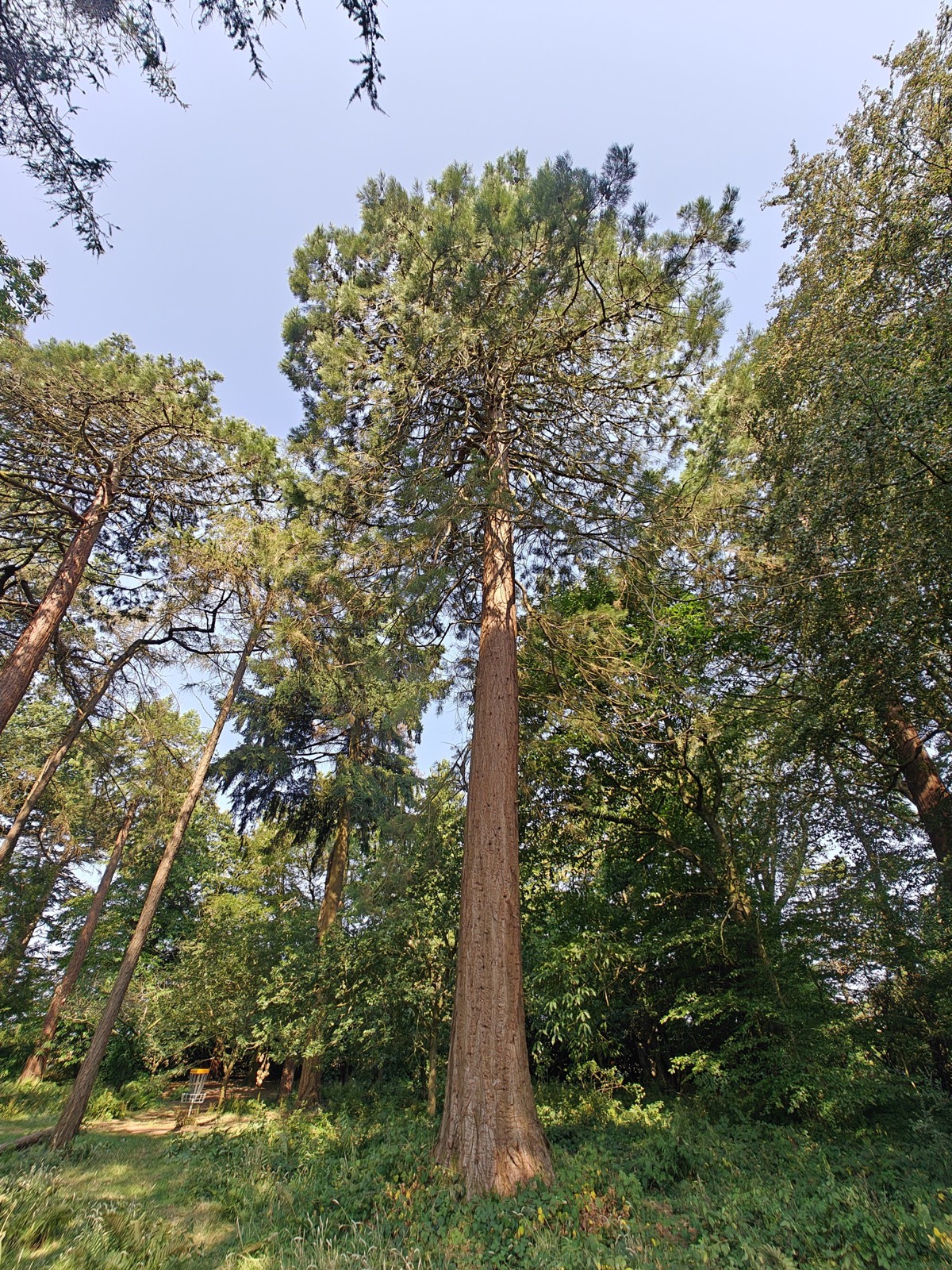
Headings and text
That was a level-two heading. They're what you'll use for sections.
And this is a level three
Body text runs at a comfortable measure, with bold, italic, inline code
and links all styled to match the tree pages. A long paragraph sets
the rhythm of the page: the column is deliberately narrower than the map or the
specimen pages, because prose wants roughly sixty-five characters a line and
tables of botanical facts do not.
Lists
Unordered:
- Bare, bud burst, in leaf, leaf fall — the same four trees, four times a year
- Anything you can log, you can write about
- Nesting works too:
- like this
- and this
Ordered:
- Photograph it
- Pin it
- Measure it, if the tape came out
- Argue with the machine about what it is
Quotes
Of all the trees that grow so fair, Old England to adorn, Greater are none beneath the Sun, Than Oak, and Ash, and Thorn.
— Rudyard Kipling, "A Tree Song", from Puck of Pook's Hill (1906)
Two or three on consecutive lines — no blank line between them — lay out side by side, cropped to a common shape:
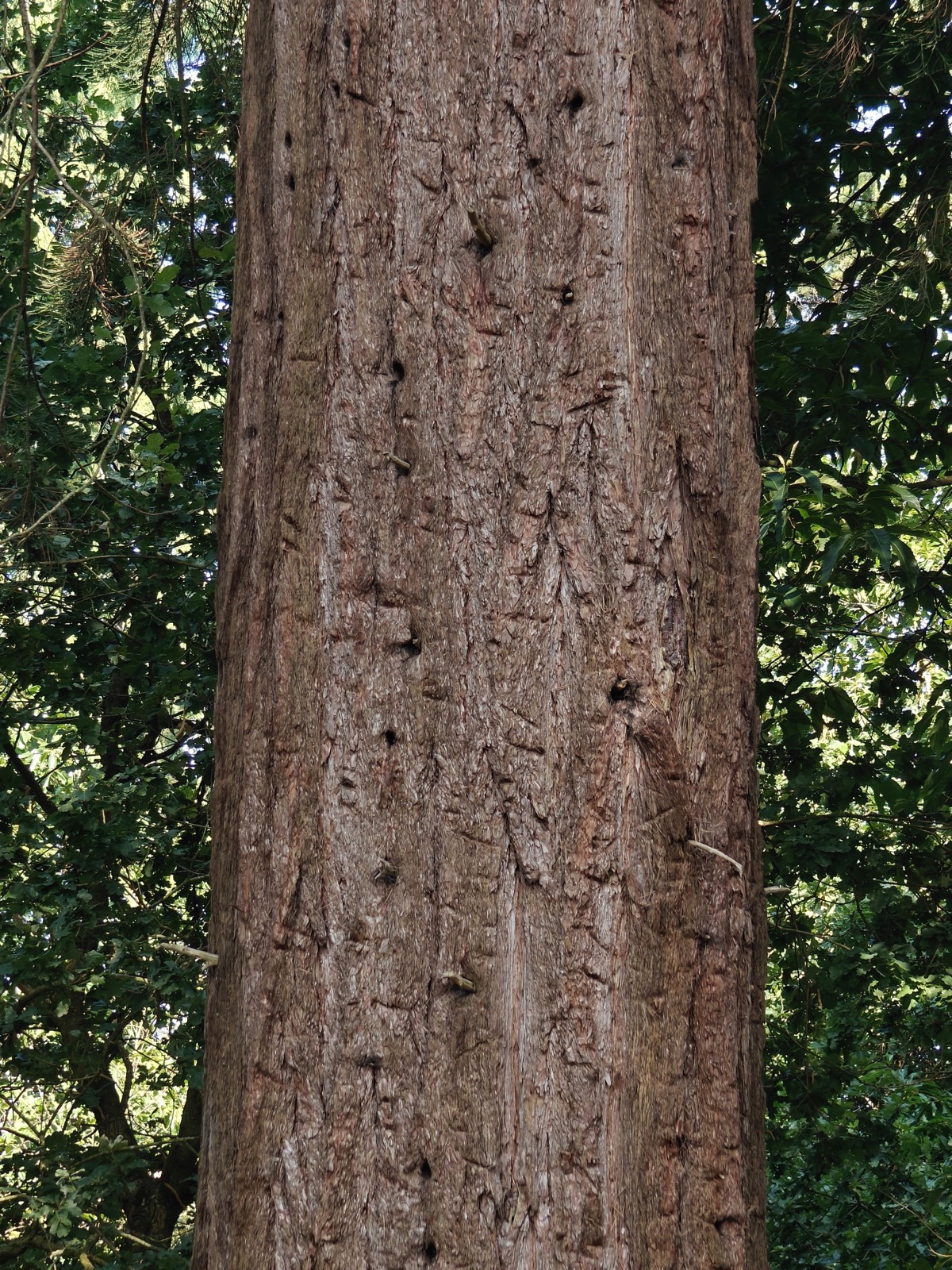

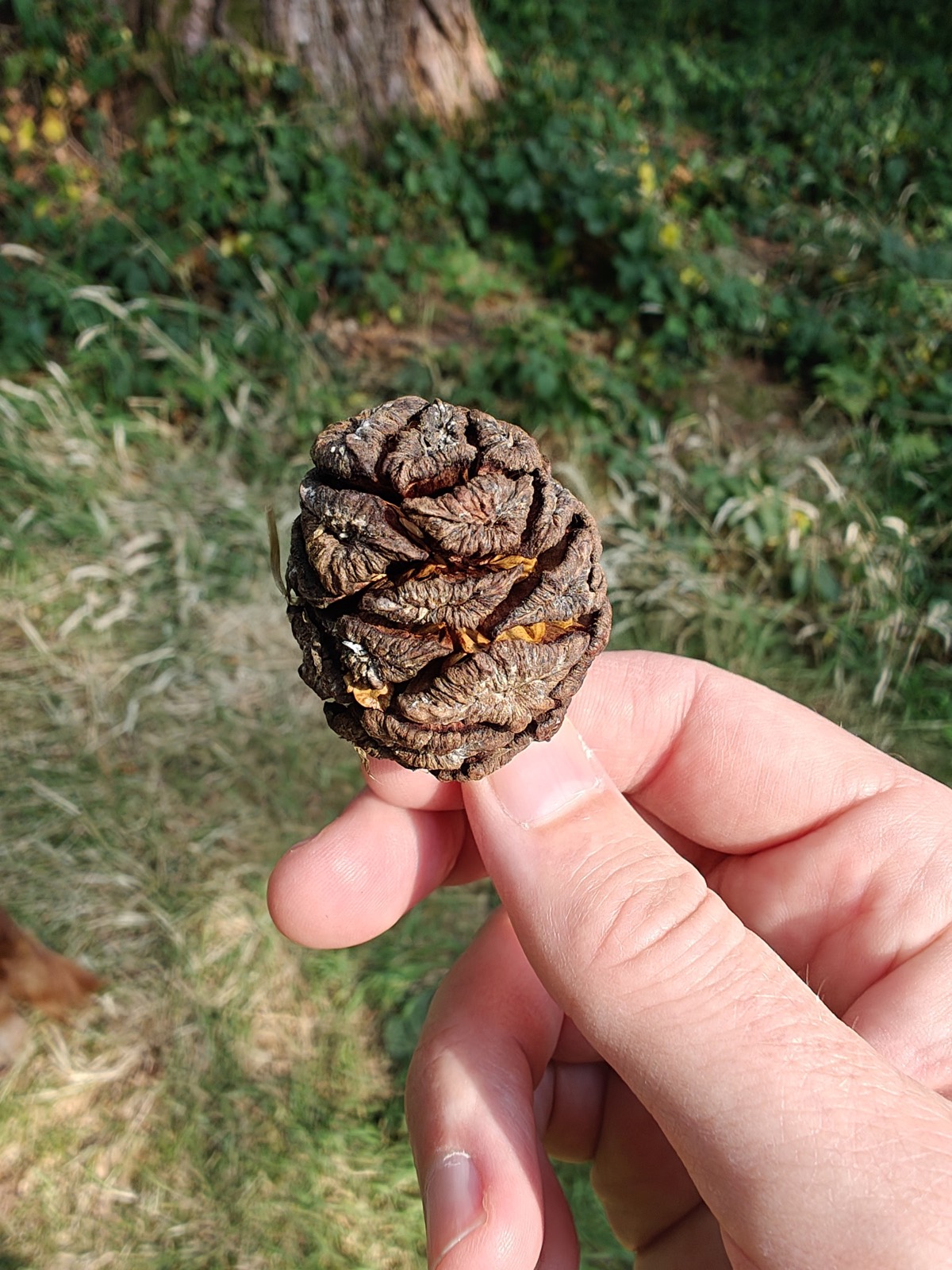
Click any of them to open the full-size viewer, exactly as on a tree page.
Tables
| Species | Girth | Measured |
|---|---|---|
| Giant sequoia | not measured | — |
| Black poplar | 3.45 m | 1.5 m |
| Ash | not measured | — |
Code
Useful for the odd lookup command:
python3 scripts/find_bristol_match.py --lat 51.4392 --lon -2.6410 --species "Quercus robur"
Categories and tags
The chip at the top of this post is its category — one per post, for the
kind of thing it is. The #hashes at the bottom are tags — as many as you
like. Both are clickable, and both filter the blog index. They come from the
frontmatter at the top of the file:
category: Meta and tags: [style-test, reference].